
 By admin
 Every year, tens of thousands of people pack up their lives and head to Utah — and it’s not hard to see why. The state offers a rare combination of outdoor access, a growing job market, relatively affordable housing compared to neighboring western states, and a genuine sense of community. But relocating to Utah without a plan can turn an exciting move into an expensive headache.
This guide cuts through the noise. Whether you’re moving to Salt Lake City for a tech job, settling into Provo for school, or escaping the coast for a quieter pace in Ogden, you’ll find everything you need here: neighborhood breakdowns, cost of living data, a room-by-room unpacking checklist, and actionable steps from the day you decide to move through your first month in your new home.
1. Understand Why People Are Moving to Utah Right Now
Utah has ranked among the fastest-growing states in the country for over a decade. The reasons are practical: lower taxes than California or New York, a booming tech corridor known as Silicon Slopes, and some of the most accessible public lands in North America.
A few things to set expectations before you arrive:
- Utah has a flat state income tax of 4.65% (as of 2025) — lower than most coastal states
- The median home price in Utah sits around $490,000–$510,000 statewide, though it varies sharply by city
- If you’re moving for remote work, confirm your employer’s tax nexus policies before you file
2. Choose the Right Utah City for Your Lifestyle
Utah is not one-size-fits-all. The city you choose will determine your commute, your cost of living, your school options, and your weekend routine.
Salt Lake City
The state capital and largest city. SLC offers a full urban experience: walkable neighborhoods, a growing restaurant scene, international airport access, and proximity to world-class ski resorts. Median home prices hover around $500,000–$550,000. Renters pay $1,400–$1,800 per month for a one-bedroom depending on neighborhood.
Best neighborhoods for newcomers: Sugar House (young professionals, walkable), The Avenues (historic, hillside views), Millcreek (family-friendly, slightly more affordable).
Provo
Home to Brigham Young University, Provo skews younger and is more family-oriented. It’s also the heart of the Silicon Slopes tech corridor. Housing is slightly more affordable than SLC, with median prices around $420,000–$450,000. Commute to Salt Lake is 45–60 minutes by car or accessible via FrontRunner commuter rail.
Ogden
One of Utah’s most underrated cities. Ogden offers genuine affordability — median home prices around $360,000–$380,000 — a revitalized downtown, and direct access to excellent ski resorts including Snowbasin and Powder Mountain. Ideal for outdoor-focused families and remote workers who want more space.
Park City
If budget is flexible, Park City is one of the most desirable addresses in the western U.S. Expect median home prices above $1.5 million. It’s a resort town with excellent schools, low crime, and world-class skiing, but the cost of entry is steep.
3. Know the Real Cost of Living in Utah
Utah is more affordable than California, Oregon, or Washington — but it’s not cheap, and it’s gotten more expensive over the last five years.
Monthly cost benchmarks (Salt Lake City, 2025 estimates):
| Expense | Estimated Monthly Cost |
|---|---|
| Rent (1BR, SLC) | $1,400–$1,800 |
| Utilities (electric, gas, water) | $130–$180 |
| Groceries (single person) | $350–$450 |
| Internet | $50–$80 |
| Car insurance | $90–$140 |
| Gas (per gallon avg.) | $3.10–$3.50 |
Utah has no local income tax beyond the state rate. Sales tax varies by county — Salt Lake County sits at 7.75%.
4. Research the Utah Job Market Before You Arrive
Don’t rely on remote work as your only safety net. Utah’s economy is strong, but the job market has cooled slightly from its post-pandemic peak.
Top industries hiring in Utah:
- Technology (Adobe, Qualtrics, Pluralsight, and hundreds of Silicon Slopes startups)
- Healthcare (Intermountain Health, University of Utah Health)
- Finance and fintech
- Education
- Tourism and hospitality
Utah’s unemployment rate has consistently tracked below the national average. If you’re relocating for a job, secure an offer letter before signing a lease.
5. Evaluate Schools If You Have Kids
Utah’s public school system is a mixed picture. The state ranks among the lowest in per-pupil spending nationally, but many districts perform well above average thanks to active communities and parental involvement.
Strong public school districts:
- Canyons School District (south Salt Lake County) — highly rated, well-resourced
- Park City School District — one of the top-ranked in the state
- Alpine School District (Utah County) — large but high-performing
Private and charter school options are plentiful, particularly in Salt Lake and Utah counties. Research GreatSchools.org ratings and attend school board meetings before committing to a neighborhood.
6. Prepare for Utah’s Climate — It’s More Variable Than You Think
Utah is not just desert. The climate shifts dramatically depending on elevation and region.
What to expect:
- Salt Lake Valley: Four distinct seasons. Summers hit 95–100°F. Winters bring inversion events where smog settles in the valley — a real air quality issue from December through February.
- Snow: The Wasatch Front averages 50–60 inches annually. “The Greatest Snow on Earth” isn’t just a license plate slogan.
- Southern Utah (St. George area): Hot desert climate. Mild winters, but brutal summers.
Packing and prep tips:
- Bring or buy layers — temperature swings of 30°F in a single day are common in spring and fall
- Invest in a quality air purifier if you’re sensitive to inversion pollution
- Sunscreen is not optional; UV exposure is significantly higher at elevation
7. Set Up Utilities Before Your Move-In Date
Utah utility providers vary by city. Don’t assume your provider from a previous state transfers.
Standard utility setup checklist:
- Electric/Gas: Rocky Mountain Power (electric) and Dominion Energy (gas) serve most of the Wasatch Front. Set up accounts online 1–2 weeks before move-in.
- Water/Sewer: Managed by your city or municipality — contact your local city hall or utility billing department.
- Internet: Xfinity, CenturyLink (Lumen), and Utopia Fiber (select cities) are major providers. Utopia Fiber offers gigabit speeds in eligible areas — check availability first.
- Trash: Curbside collection is typically bundled with city utilities.
Expect a security deposit of $50–$200 for new accounts if you lack Utah credit history with the utility.
8. Understand Utah Transportation Options
Utah is car-dependent outside of SLC’s urban core. Plan accordingly.
Driving:
Most Utah residents drive. Gas is relatively affordable, but traffic on I-15 between Ogden and Provo during peak hours rivals major metros.
Public transit (Salt Lake area):
- TRAX light rail covers SLC, South Jordan, Sandy, and the airport
- FrontRunner commuter rail runs from Ogden to Provo
- UTA bus network is functional but limited outside urban centers
If you’re relocating from a walkable city, budget for a vehicle. Provo, Ogden, and suburban SLC require reliable car access for most errands.
9. Healthcare Access in Utah
Utah has strong healthcare infrastructure, particularly in the Wasatch Front.
Major health systems:
- Intermountain Health — largest health system in the region, multiple hospital locations
- University of Utah Health — nationally ranked academic medical center in Salt Lake City
- MountainStar Healthcare — another regional option
Health insurance in Utah is available through the ACA marketplace, employer plans, or through the state’s Medicaid expansion. Utah expanded Medicaid in 2020, improving access for lower-income residents.
10. Moving Logistics: Timeline and Checklist
Timing your Utah move properly can save you hundreds, if not thousands, of dollars.
8 Weeks Out
- Research and book a licensed moving company or reserve a rental truck
- Request quotes from at least three movers — get everything in writing
- Begin decluttering and selling or donating items you won’t need
4 Weeks Out
- Confirm moving date and logistics
- Notify employer, bank, and subscriptions of address change
- Transfer medical and school records
- Research temporary housing if your permanent place isn’t ready
1 Week Out
- Pack room by room and label boxes clearly
- Confirm utility activation dates
- Prepare an essentials box: toiletries, medications, phone chargers, two days of clothing, bedding
Move Day
- Do a final walkthrough of your old home
- Photograph the condition of your new home before unloading
- Tip movers — standard is 15–20% of total cost for a satisfactory job
11. Hiring Movers in Utah: What to Know
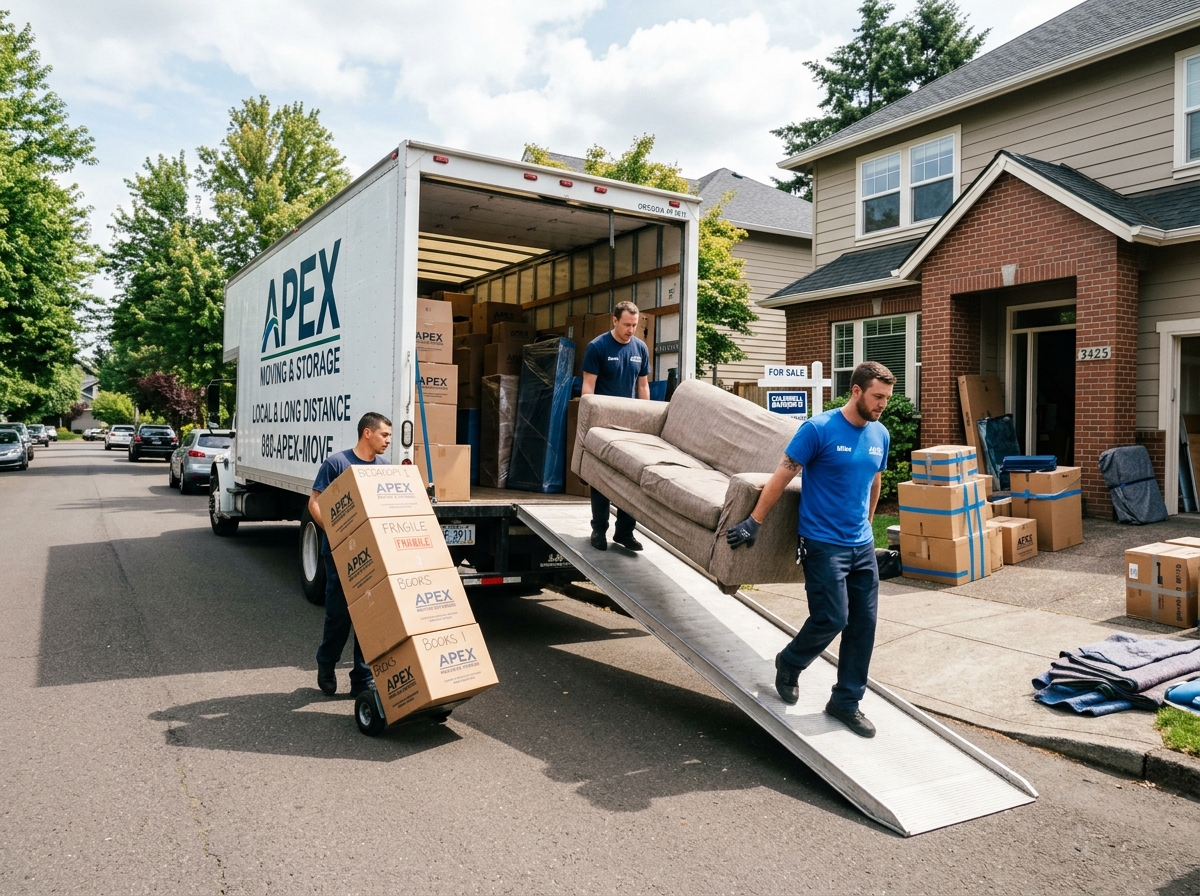
The Utah moving industry includes both reputable companies and predatory operators. Protect yourself.
Do:
- Verify the mover’s USDOT number at fmcsa.dot.gov for interstate moves
- Get a binding estimate, not a non-binding one
- Read reviews on Google and the BBB — not just the company’s own website
Don’t:
- Pay a large deposit upfront — this is a red flag for scams
- Accept a quote over the phone without an in-home or virtual survey
- Assume the cheapest quote means the best value
12. Temporary Housing Options for Utah Newcomers
If you’re arriving before securing permanent housing, you have solid options.
- Extended stay hotels: Found in SLC, Provo, and Ogden — expect $70–$110 per night
- Furnished apartments: Platforms like Furnished Finder and Airbnb offer 30–90 day rentals
- Corporate housing: Available through providers like National Corporate Housing if your employer covers relocation
Avoid signing a long-term lease before you’ve spent at least a few weekends in the neighborhood. Utah’s neighborhoods vary more than they look on a map.
13. Your First 30 Days in Utah: Onboarding Checklist
- Register your vehicle with the Utah DMV within 60 days of establishing residency
- Obtain a Utah driver’s license — bring proof of residency, identity, and Social Security
- Register to vote at vote.utah.gov
- Update your address with USPS at usps.com
- Find a primary care physician and dentist — don’t wait until you’re sick
- Locate your nearest grocery store, pharmacy, and urgent care
- Explore your neighborhood on foot or by bike before defaulting to the car
- File your change of domicile with your prior state if relevant to taxes
Ready to Make Your Move to Utah?
Relocating to Utah is one of the better decisions you can make if you’re drawn to outdoor access, a strong job market, and a lower tax burden than most western states. The key is arriving prepared: knowing which city fits your lifestyle, locking in your job and housing before you land, and giving yourself the first month to settle in without rushing.
Use this guide as your baseline. Bookmark it, print the checklists, and revisit the neighborhood section when you’re narrowing down zip codes.
Ready to make your move official? Get a free moving quote from licensed Utah movers — or start with our city guide: Salt Lake City Movers: Your Complete Guide to a Stress-Free Relocation