
 By admin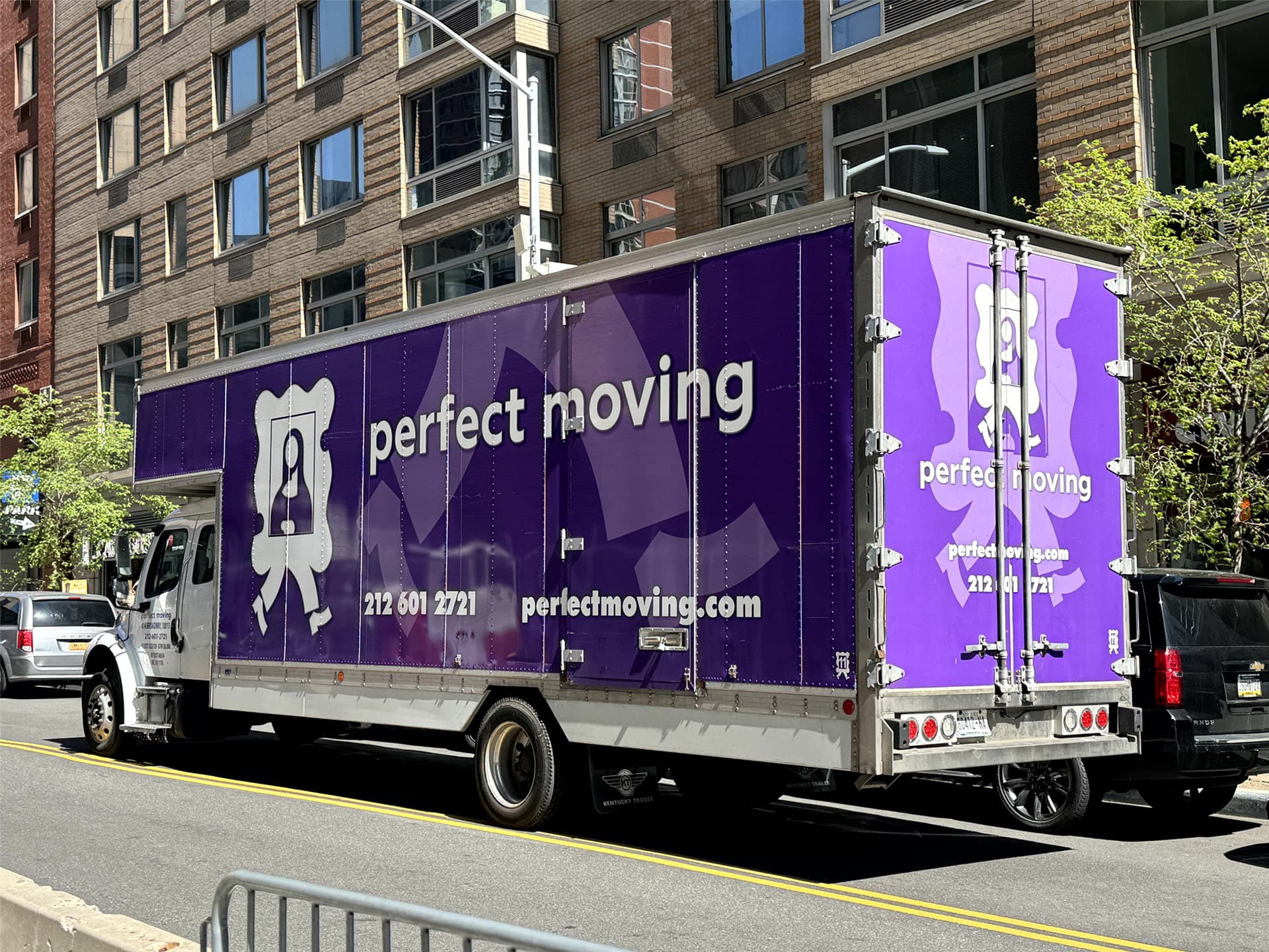
Packing and transporting fragile medical equipment requires precision, specialized materials, and extensive expertise. These are not ordinary items. Each device is a crucial part of patient care and often costs tens or even hundreds of thousands of dollars. A single mistake during packing or handling can result in significant financial loss, downtime, or even regulatory consequences.
In New York City, where space is limited and logistics are complex, moving sensitive equipment demands professional planning and flawless execution. In this guide, we explain how we handle packing medical equipment in NYC, from preparation to delivery, so every instrument arrives safely, calibrated, and ready for use.
Why Specialized Packing Matters for Medical Equipment
Medical devices are designed for precision, not durability. They contain sensitive sensors, delicate wiring, and fine calibration systems that can be damaged by vibration, shock, or humidity. That is why professional packing is not optional; it is essential.
The Risks of Poor Packing and Handling
- Mechanical damage: Even a minor jolt can dislodge components or alter calibration.
- Moisture contamination: Dust or humidity can affect electronics and optical lenses.
- Vibration sensitivity: Many imaging and diagnostic machines are vulnerable to road vibration.
- Compliance issues: Improper packing or labeling can violate OSHA or FDA transport regulations.
- Data risk: Devices that store patient data must also comply with HIPAA privacy standards.
By following proper procedures and using specialized materials, we reduce these risks and help protect the functionality and integrity of each device.
Pro Tip: Make sure you work with movers who have documented experience with healthcare or laboratory relocations. General moving companies may not understand the sensitivity of medical devices.
Conduct a Thorough Equipment Assessment
Every move starts with an in-depth assessment of your equipment. We identify condition, dimensions, sensitivity, and handling requirements so we can determine the safest way to pack and transport each device.
What a Professional Assessment Includes
- Comprehensive inventory: Listing equipment, serial numbers, and departments of origin.
- Device sensitivity analysis: Identifying vibration, temperature, or tilt vulnerabilities.
- Weight and size measurements: Determining lifting, rigging, and stabilization methods.
- Manufacturer specifications: Reviewing handling instructions for each device.
- Downtime planning: Scheduling disconnections to reduce disruption to patient care.
This phase helps us anticipate challenges such as narrow hallways, elevator restrictions, and power disconnection requirements common in NYC medical facilities.
Pro Tip: Include biomedical engineers and IT specialists during assessment. Their technical knowledge ensures equipment handling aligns with manufacturer guidance and compliance needs.
Use the Right Packing Materials
Medical equipment requires materials far beyond standard moving supplies. Each layer has a purpose: cushioning, stabilization, contamination control, and protection from impact or environmental changes.
Common Professional Packing Materials
- Custom-built wooden crates: Built for each device to create a snug, secure fit.
- Shock-absorbing foam: Reduces vibration and protects against impact.
- Anti-static wraps: Prevent electrical discharge that can damage circuits.
- Humidity and temperature barriers: Protect electronics and optical instruments from environmental shifts.
- Sterile-grade plastic covers: Shield sensitive surfaces from dust or debris.
- Tilt and impact indicators: Record movement during transport for verification and accountability.
- Foam edge guards: Protect corners and control panels from cosmetic and structural damage.
We select materials based on each device’s size, fragility, and the conditions it will face during transport.
Pro Tip: Use medical-grade or anti-static packaging materials. Standard plastic wraps and tapes can attract dust, generate static, or leave residue on equipment surfaces.
Follow Manufacturer Guidelines During Preparation
Manufacturers provide specific instructions for preparing devices for transport. Following these guidelines protects warranty coverage and supports safe handling.
Best Practices for Device Preparation
- Power down correctly: Follow official shutdown procedures to protect systems and data.
- Secure movable parts: Lock arms, trays, or lenses to prevent internal damage.
- Remove accessories: Disconnect cables, monitors, and peripherals and pack them separately.
- Drain fluids and seal ports: Prevent spills and cross-contamination.
- Document configuration: Take photos before disassembly to support accurate reinstallation.
Qualified technicians or biomedical engineers should disassemble and prepare devices. We step in once equipment is cleared for transport.
Pro Tip: Label all disconnected parts, wires, and accessories clearly to prevent confusion and speed up reassembly.
Label, Document, and Track Every Item
Accurate labeling and documentation create a clear trail of accountability and prevent errors or loss during transport. For medical facilities, this step is also essential for compliance and insurance readiness.
Documentation Essentials
- Identification labels: Equipment name, model, and department location.
- Handling instructions: Mark crates with “Fragile,” “Sensitive Instrument,” or “Keep Upright.”
- Chain-of-custody logs: Record who handled, packed, and transported each item.
- Condition reports: Document device condition before and after relocation.
- Digital tracking: Use barcodes or QR codes connected to an electronic inventory list.
Detailed records support transparency for insurance claims, audits, and compliance inspections.
Pro Tip: Label equipment on multiple sides. Better visibility reduces mishandling in busy loading environments like hospital corridors and docks.
Select the Proper Transport Vehicle
Even perfectly packed equipment needs the right vehicle. In NYC, road conditions and congestion make specialized transportation essential.
What to Look for in a Medical Equipment Transport Truck
- Air-ride suspension: Minimizes vibration and shock on uneven city roads.
- Climate control systems: Maintain stable temperature and humidity for sensitive electronics.
- Clean, sealed interiors: Reduce exposure to dust and contaminants.
- Hydraulic lift gates: Support safe loading without tipping heavy devices.
- Secure tie-downs: Prevent shifting during transit.
- GPS tracking: Enables real-time monitoring and route visibility.
At Perfect Moving & Storage, we use vehicles designed for medical and laboratory relocations, combining climate control with air-ride technology for a stable, secure journey.
Pro Tip: Confirm vehicles are regularly sanitized and maintained to healthcare hygiene standards.
Handle and Load with Professional Precision
Loading and unloading are the most critical moments in the process. A brief lapse in lifting or coordination can undo hours of careful preparation.
Professional Handling Procedures
- Certified teams only: Handlers should be trained in safe lifting, carrying, and coordination.
- Use specialized equipment: Hydraulic lifts, padded dollies, and air casters reduce strain and risk.
- Team coordination: Constant communication prevents collisions and mistakes.
- Balance and alignment: Proper distribution inside the vehicle reduces movement and vibration.
- Protect entry points: Corner guards and floor coverings protect walls and floors during loading.
We work deliberately and prioritize control and communication over speed.
Pro Tip: Schedule loading and unloading during quieter hours to reduce distractions and foot traffic in medical environments.
Ensure Compliance and Regulatory Safety
Transporting medical equipment involves strict laws and industry standards. Compliance protects your assets and supports patient and staff safety.
Compliance Standards to Follow
- OSHA regulations: Support worker safety and contamination prevention.
- FDA transportation standards: Help maintain integrity for regulated medical devices.
- HIPAA data protection: Secure digital devices that contain patient information.
- Local NYC health regulations: Address biohazard transport and waste handling.
At Perfect Moving & Storage, we meet or exceed compliance requirements and provide complete documentation and transparency for every move.
Pro Tip: Keep a binder of compliance certificates and insurance documents available for building management or regulatory verification during the move.
Unpack, Reinstall, and Calibrate at the New Location
Proper unpacking and reinstallation ensure each device is operational upon arrival. Testing and calibration confirm accuracy and readiness for patient care.
The Reinstallation Process
- Inspect packaging: Review shock and tilt indicators for any recorded incidents.
- Check for damage: Examine surfaces and internal components before powering on.
- Reattach components: Reconnect cables, monitors, and accessories carefully.
- Calibrate devices: Technicians perform precision tests based on manufacturer standards.
- Clean and sanitize: Final wipe-downs prepare devices for patient use.
This step also confirms compliance requirements were met and that the environment supports safe performance.
Pro Tip: Schedule calibration and testing before reopening appointments to avoid unexpected downtime.
Review Insurance, Documentation, and Quality Assurance
Even when everything goes smoothly, insurance coverage and quality assurance provide an extra layer of protection and confidence.
Quality and Insurance Checklist
- Full replacement insurance: Covers repair or replacement when applicable.
- Certificates of Insurance (COI): Often required by NYC buildings for move approval.
- Post-move condition reports: Confirm devices arrived in good condition.
- Performance verification: Ensure calibration results meet clinical standards.
- Secure records storage: Maintain digital and physical copies of relocation documentation.
These measures protect your clinic financially and support continuity of care after the move.
Pro Tip: Request a post-move review meeting so we can confirm results, address any concerns, and capture lessons for future relocations.
Why Perfect Moving & Storage Is the Right Partner for Medical Equipment Relocation
At Perfect Moving & Storage, we specialize in healthcare and medical equipment moves across New York City. Our certified teams combine technical know-how, advanced logistics, and deep compliance awareness to deliver consistent, reliable outcomes.
Our Advantages
- Certified teams trained to operate in alignment with OSHA, FDA, and HIPAA standards.
- Experience moving imaging, laboratory, and diagnostic systems.
- Custom packaging and crating designed for each device.
- Climate-controlled, air-ride trucks for stability in NYC conditions.
- Real-time tracking and comprehensive insurance coverage.
- Coordination with biomedical engineers and IT teams.
We treat every piece of medical equipment as a mission-critical asset, ensuring it arrives safely and performs reliably in its new environment.
Key Takeaways
- Medical equipment must be packed with specialized materials and precision techniques.
- A detailed pre-move assessment supports safe handling and compliance.
- Custom crating, anti-static wrapping, and vibration control are essential protections.
- Labeling, documentation, and tracking reduce errors and support regulatory needs.
- Certified crews and climate-controlled vehicles support safe NYC transit.
- Calibration and testing after arrival confirm accuracy and patient safety.
- Working with healthcare-certified movers provides protection, efficiency, and peace of mind.
Move Your Medical Equipment with Complete Confidence
Your medical equipment deserves expert care and precision at every step. Trust Perfect Moving & Storage, NYC’s medical relocation specialists, to handle your equipment with expertise, compliance, and total reliability.
Request your customized relocation quote today and move forward with confidence.