
 By admin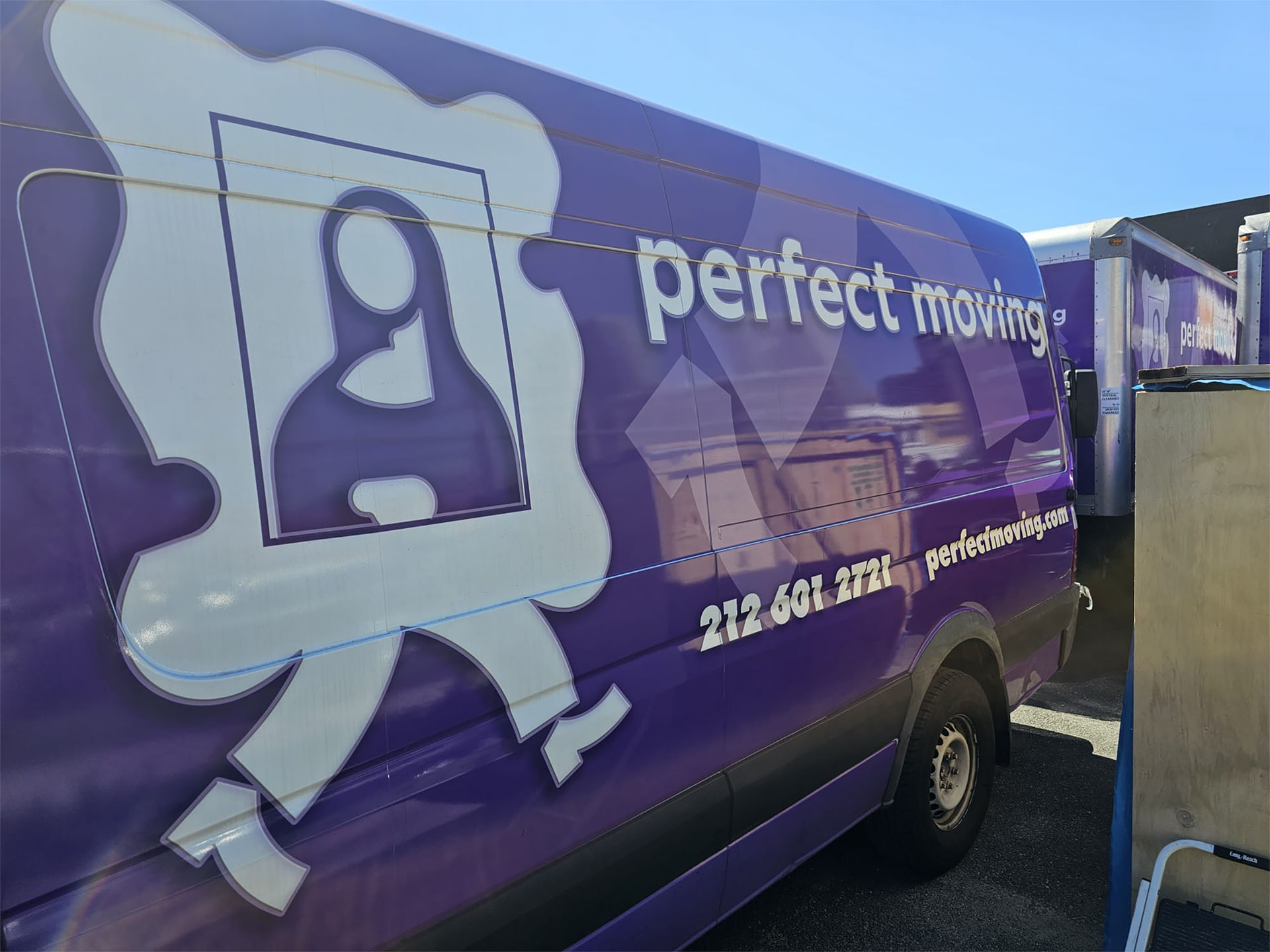
Relocating medical equipment in New York City requires precision, experience, and total professionalism. From MRI scanners and surgical robots to X-ray machines and laboratory analyzers, every device represents both a major investment and a vital component of patient care. A single mistake during transport could lead to costly damage, compliance violations, or days of operational downtime.
Choosing the best medical equipment movers in NYC helps ensure your move is completed with the care, compliance, and reliability your facility deserves. In this guide, we walk you through practical steps for evaluating movers so you can make an informed, confident decision.
Why the Right Medical Movers Make All the Difference
Medical relocations are far more complex than ordinary commercial moves. The equipment is specialized, often fragile, and always mission-critical. Beyond logistics, medical movers must understand healthcare compliance, insurance requirements, and operational sensitivity.
The Risks of Hiring Unqualified Movers
- Equipment damage: Sensitive diagnostic devices can lose calibration or suffer internal failures if handled incorrectly.
- Service interruptions: Damaged or delayed equipment can cancel appointments and reduce revenue.
- Compliance violations: Mishandling devices that store patient data can trigger HIPAA penalties.
- Liability exposure: Without full insurance, clinics may face significant financial losses.
- Reputation impact: Patients expect reliability, and a poor relocation experience can damage trust.
Pro Tip: Treat your moving company like a healthcare partner. We should operate with the same level of care and accountability as your staff.
Verify Proven Experience in Medical Relocations
Experience is the first and most important factor. Medical moving requires expertise that general movers do not have. We must know how to dismantle, protect, transport, and reinstall complex devices without affecting accuracy or function.
What to Look For
- Medical relocation history: Ask how many medical or laboratory moves the company completed in the past year.
- Specialized projects: Look for experience with MRI scanners, surgical tables, imaging equipment, and laboratory systems.
- Understanding of NYC facilities: Movers should know loading restrictions, access schedules, and elevator limitations.
- Client references and case studies: Reputable movers can share healthcare client examples and successful outcomes.
Example: If a mover has transported a CT scanner through a high-rise in Midtown Manhattan, they likely understand permits, space restrictions, and strict timing windows.
Pro Tip: Request project summaries or testimonials from other medical clients to confirm the mover can deliver healthcare-level precision.
Check Licensing, Insurance, and Regulatory Compliance
The best medical equipment movers in NYC are fully licensed and insured, with clear documentation. A mover without proper coverage or compliance readiness is a risk your clinic cannot afford.
Licensing and Insurance Essentials
- Valid NYC and state licenses: Confirm active DOT and business operation credentials.
- General liability insurance: Covers property or facility damage during the move.
- Cargo insurance: Protects medical devices from loss or damage in transit.
- Workers’ compensation: Helps protect your clinic from liability if movers are injured on-site.
- Full-value protection: Covers the actual value of equipment, not only weight-based reimbursement.
- Certificate of Insurance (COI): Should list your facility as an additional insured entity when required.
Compliance Requirements
Professional movers should operate in alignment with healthcare expectations, including:
- OSHA: Workplace safety procedures and safe handling standards.
- FDA: Equipment integrity and traceability during relocation.
- HIPAA: Protection of patient information stored on electronic devices.
Pro Tip: Verify insurance directly with the provider to confirm policies are active and coverage limits match your equipment’s value.
Evaluate Staff Training and Technical Expertise
Insurance matters, but the outcome depends on the crew’s training. Specialized handling requires technical understanding, consistency, and disciplined procedures.
What to Verify
- Formal training programs: Movers should complete structured instruction for medical and laboratory equipment handling.
- Compliance education: Team members should understand HIPAA, OSHA, and FDA expectations.
- Hands-on experience: Trained teams should follow manufacturer guidelines for disassembly, stabilization, and reassembly.
- In-house quality checks: Reputable companies conduct internal audits and performance reviews.
Example: A trained medical mover knows to lock components during transit and stabilize sensitive sensors using anti-vibration materials.
Pro Tip: Ask how we coordinate with biomedical engineers or IT teams so disconnection, transport, and reinstallation remain controlled and accurate.
Assess Equipment, Vehicles, and Packing Techniques
The best movers invest in specialized tools and materials that reduce risk and protect sensitive devices during NYC transport.
What to Expect
- Air-ride suspension trucks: Reduce vibration that can affect calibration.
- Climate control: Maintains stable temperature and humidity.
- Custom crating: Device-specific protection for maximum stability.
- Anti-static and moisture-resistant wrapping: Protects electronics and sensitive components.
- Lift gates and loading ramps: Enable controlled loading of heavy or oversized machines.
- GPS tracking and security: Provides real-time updates and shipment visibility.
Example: For laboratory freezers, we maintain conditions using insulated packaging and documented temperature logs during transit.
Pro Tip: Ask to inspect trucks and packing materials before booking so you know the mover is properly equipped.
Examine Project Management and Communication
Strong project management keeps a complex relocation predictable and organized. Communication and coordination are just as important as careful handling.
Indicators of Strong Project Management
- Dedicated project manager: A single point of contact for scheduling, updates, and problem-solving.
- Pre-move site assessments: Evaluations of both locations to identify challenges early.
- Detailed moving plan: Clear timelines, access routes, and assigned responsibilities.
- Clear communication: Regular progress reports and real-time updates.
- Contingency planning: Backup strategies for delays, building restrictions, or technical issues.
Example: A skilled project manager coordinates elevator access, loading zones, and building documentation approvals before move day.
Pro Tip: Choose movers who meet with facility management and compliance officers before the relocation begins.
Review Safety and Risk Management Practices
Safety is non-negotiable. Professional medical movers should maintain formal safety programs that protect staff, property, and equipment.
Safety Measures to Expect
- Written safety policies: Documented handling and emergency response procedures.
- Ongoing training: Regular refreshers and updated instruction throughout the year.
- Protective gear: Proper PPE, back supports, and safety footwear.
- Pre-move inspections: Identification of risks such as floor loads, tight turns, or restricted clearances.
- Real-time supervision: On-site leadership overseeing high-risk stages.
Example: Before moving a surgical microscope, we confirm clearance and access routes to prevent accidental contact or misalignment.
Pro Tip: Ask to review the safety record or incident reporting process. Transparency is a strong signal of accountability.
Consider Post-Move Support and Quality Assurance
A medical relocation is not complete until equipment is installed, tested, and ready for use. Professional movers support this final stage through coordination and follow-through.
What Post-Move Service Should Include
- On-site reassembly: Collaboration with engineers to position and install devices.
- Calibration coordination: Support to ensure imaging and diagnostic systems return to full accuracy.
- Damage assessments: Immediate documentation and claim support if issues arise.
- Waste removal: Clearing crates, packing materials, and debris from clinical areas.
- Follow-up contact: A check-in to confirm everything meets expectations.
Example: After moving radiology equipment, we remain engaged until calibration confirms imaging clarity and accuracy.
Pro Tip: Choose movers who clearly define post-move support so you are not left troubleshooting after delivery.
Evaluate Pricing Transparency and Value
Cost matters, but value matters more. Clear, detailed pricing helps prevent surprises and supports better planning.
How to Compare Quotes
- Request a detailed estimate: Itemize packing, labor, insurance, and travel.
- Clarify inclusions: Confirm whether setup, materials, or after-hours scheduling are included.
- Avoid vague pricing: Hourly rates without a defined scope can lead to hidden costs.
- Confirm insurance levels: Appropriate coverage usually reflects higher accountability.
- Assess flexibility: Strong movers can accommodate weekend or off-peak relocation needs.
Pro Tip: Get multiple quotes, then compare services, coverage, and experience, not only the final number.
Research Reputation and Industry Standing
Reputation reflects consistent performance. The best medical equipment movers in NYC earn trust through reliability, safety, and long-term client relationships.
How to Research a Mover’s Reputation
- Read verified reviews: Look for detailed testimonials from healthcare professionals.
- Request direct references: Speak with clients who relocated similar equipment or facilities.
- Check longevity: Established movers offer stability and proven processes.
- Confirm professional memberships: Industry affiliations can reflect quality standards.
- Evaluate customer service: Responsiveness and clarity during consultation signal professionalism.
Pro Tip: Look for consistent five-star feedback that highlights punctuality, care, and communication.
Why Perfect Moving & Storage Is NYC’s Best Choice for Medical Relocations
At Perfect Moving & Storage, we are recognized among the best medical equipment movers in NYC for our expertise, safety practices, and commitment to healthcare compliance. We combine technical precision with hands-on project management so every move is handled to professional healthcare standards.
What Sets Perfect Moving & Storage Apart
- Decades of combined experience with hospitals, labs, and medical offices.
- Full-value insurance coverage and customized COIs for NYC healthcare facilities.
- Processes aligned with OSHA, HIPAA, and FDA expectations.
- Air-ride, climate-controlled vehicles and custom packing for sensitive devices.
- Dedicated project management and real-time communication.
- Transparent, fixed pricing with no hidden fees.
Whether you are relocating a small clinic or a full diagnostic center, we deliver reliability, compliance, and peace of mind.
Key Takeaways
- Choosing the right medical equipment movers in NYC protects your assets and reputation.
- Verify licensing, insurance, and healthcare-specific experience before hiring.
- Evaluate training, safety procedures, and packing quality.
- Prioritize strong project management and post-move support.
- Expect transparency, compliance awareness, and clear communication throughout the move.
Move Your Medical Equipment with Confidence
Your medical equipment is too valuable to risk with inexperienced movers. Trust us at Perfect Moving & Storage to manage your relocation with precision, compliance, and care from planning through delivery.
Request your personalized medical moving quote today and move forward with confidence.