
 By admin
When you picture New England, what comes to mind? Maybe the image of a rocky Atlantic coastline, a quaint historic town square, or a maple tree–lined street with farmhouse-style clapboard homes. The six New England states — Massachusetts, Maine, Rhode Island, New Hampshire, Vermont, and Connecticut — are known for their charming scenic views, but the distinct New England culture is equally iconic.
This part of the country is rooted in centuries of proud heritage, tradition, and a few regional quirks — from hearing the phrase “wicked good” on a Boston street corner to slurping clam chowder at a seaside cafe in Portland, Maine. But is living in New England right for you? Let’s explore all you need to know before moving here, such as the cost of living, the unique lifestyle and culture, and the most fun things to do in New England.
8 Things To Know About Living in New England (Before Moving To New England)
Whether you’re moving to Massachusetts for the close proximity to Boston’s urban energy, Vermont for the world-class ski resorts and lush mountain vistas, or Maine for the peaceful waterfront lifestyle, the New England culture is ripe for discovery. Still, here’s what to consider about moving to New England before you make this leap.
1. The cost of living in New England varies from one state to another
Living in New England can be pricey due to heavy tax burdens, steep grocery and utility costs, limited real estate, and historic infrastructure that’s expensive to maintain.
But the cost of living in New England is relatively affordable in certain areas, too — it all just depends on where you move. In most cases, the rural inland communities are cheaper than major cities and coastal resort towns. Here’s a quick rundown of which locations have the highest and lowest costs of living in New England.
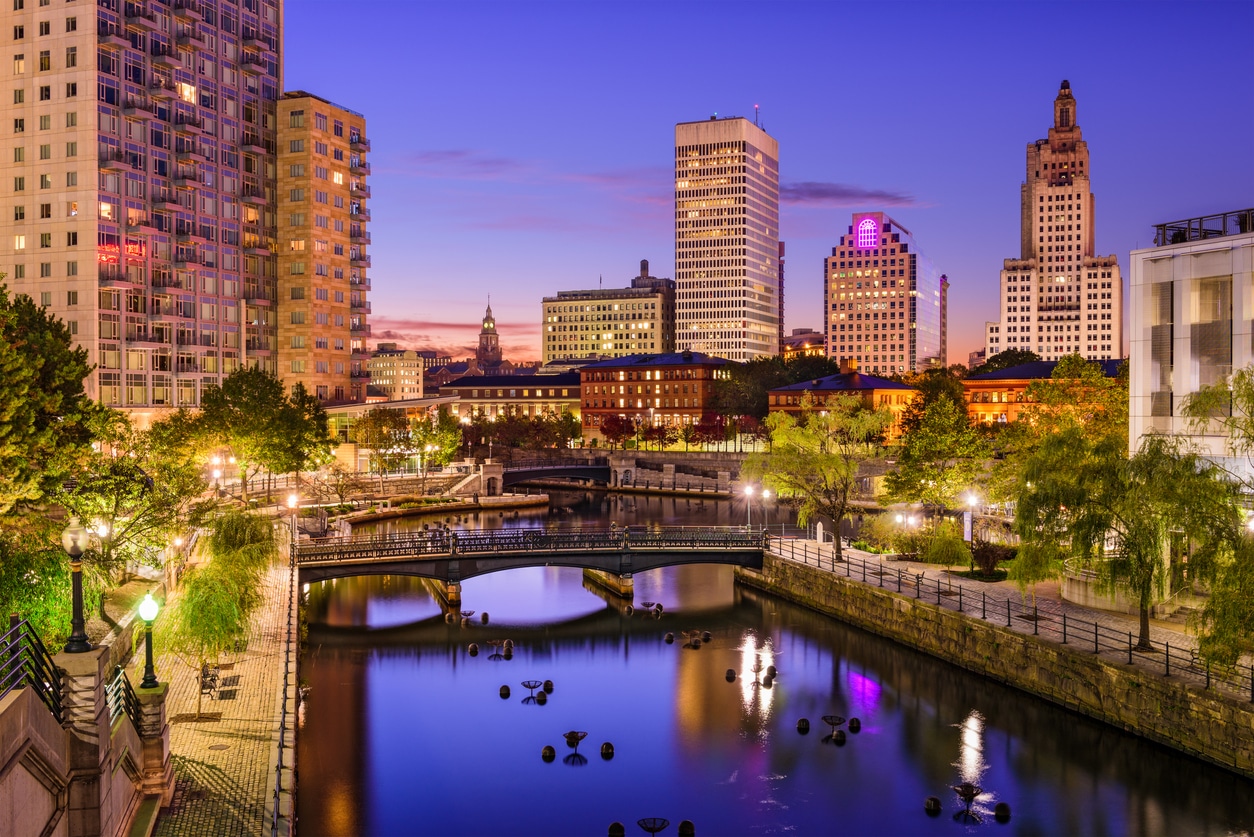
Most expensive New England cities
-
Cambridge, MA: 68% above national average
-
Greenwich, CT:
63% above national average -
Boston, MA:
47% above national average -
Portland, ME:
14% above national average -
Burlington, VT:
13% above national average -
Providence, RI:
11% above national average
Least expensive New England cities
-
Waterbury, CT:
1% above national average -
North Adams, MA:
4% below national average -
Houlton, ME:
8% below national average -
Berlin, NH:
9% below national average
So how does the cost of living in New England compare to other regions across the country? Again, this depends on the exact location, but here’s a general idea of how some New England cities stack up against urban hubs in the Midwest, South, and West Coast.
-
The cost of living in Burlington, VT, is 6% lower than Chicago, IL.
-
The cost of living in Portland, ME, is 0.2% higher than Atlanta, GA.
-
The cost of living in Boston, MA, is about 12% lower than San Francisco, CA.
2. Living in New England means you can experience all four seasons
New England has a humid continental climate with cold winters that often drop below freezing and warm summers that can reach the mid-80s. Most of this region experiences 35–50 inches of rain or snowfall each year, although mountainous areas can receive more than 60 inches. Fall is the mildest season with crisp, breezy weather and vibrant, colorful foliage (no wonder tourists flock here this time of year), while spring is unpredictable with sunshine one minute and rain the next — not to mention, mud from all the melting snow.

Living in New England also comes with the risk of extreme weather conditions, from occasional hurricanes that impact coastal areas in the summer to intense nor’easter winds that often spawn blizzards in the winter. But the New England culture is marked by many regional traditions built into these seasonal shifts — whether it’s the summer Wild Blueberry Festival in Maine or the autumn Seafood Festival in Rhode Island.
3. The New England culture is deeply rooted in heritage and tradition
So what is the culture of New England? The best way to summarize what makes it so unique is an emphasis on meaningful traditions and historic preservation without feeling stuck in the past. This distinct New England culture can trace its roots to the European colonization of Plymouth, Massachusetts, back in 1620. About a century later, it became the epicenter of the American Revolution, a spirit that New England communities still reflect today.
New England culture centers around a strong connection to local governance, social justice, educational pursuits, and civic action. New Englanders care about their time-honored institutions such as libraries, museums, universities, and town hall meetings. They also take pride in the natural beauty of their outdoor spaces, resulting in a passion for environmental responsibility and climate activism. To embrace this lifestyle is to celebrate its civic-minded values, while also respecting its foundational historic roots.
4. New England people are reserved — but loyal to their communities
If you’re from another region of the U.S. — like the South or Midwest — where friendliness and hospitality are baked in, they way New Englanders interact can take some getting used to. Sure, New Englanders can come across as private in their daily routines or overly direct in their communication. However, once trust is built, you’ll feel a deep sense of community here. The New England culture places a high value on self-reliance, honesty, and respecting boundaries, but neighbors look out for each other when it counts.
5. New Englanders have a distinct way of talking that’s unique to them
Chances are, you’ll know a New England accent the moment you hear it. Folks who grew up in states like Rhode Island, Maine, and Massachusetts often don’t pronounce the letter “R,” which creates an unmistakable accent. This accent, combined with jargon you won’t hear anywhere else, lends this region its own specific dialect.
Many New Englanders use slang to express humor and invoke pride in their regional identity. Here’s a crash course in a few commonly used New England expressions, so you can start working them into daily conversations like a seasoned local:
-
Wicked: Extremely, as in, “It’s wicked hot out here,” or “This lobster roll is wicked good”
-
Packie: Any store that sells wine, beer, or liquor — short for “package store”
-
Bang a U-ey: Make a U-turn in your vehicle
-
The T: Abbreviation for the metro Boston public transit system
-
Ayuh: “Yes,” or, “I agree,” in casual, informal slang
-
Pissah: Excellent or awesome — often used right after wicked (i.e. “wicked pissah”)
6. Things to do in New England focus on nature, history, and the arts
Whether you’re an amateur historian, outdoor enthusiast, foodie, or culture buff, living in New England means you’ll never run out of diverse entertainment options. Here are just a few of the many fun and unique things to do in New England.
Cultural activities
-
Walk the Boston Freedom Trail, an immersive experience that takes you to 16 historic sites across the city, from Paul Revere’s house to the Bunker Hill monument.
-
Peruse more than 204,000 ancient and contemporary artworks at the Yale University Art Gallery, the nation’s oldest museum on a college campus.

Outdoor activities
-
Hike the 8.5-mile Franconia Ridge Loop in the White Mountains, which offers stunning peaks, waterfalls, and alpine foliage (it’s especially beautiful in the fall).
-
Sea kayak or canoe along the Casco Bay peninsula for an up-close encounter with the wild, rocky Atlantic coastline of southern Maine.
Seasonal traditions
-
Soak up the panoramic fall foliage views on Route 100, a 217-mile drive that meanders through small towns and covered bridges across Vermont.
-
Learn centuries-old techniques used to boil tree sap into delicious maple syrup at the New Hampshire Maple Experience each spring.
Food and drink culture
7. New England offers robust academics and employment
Educational and professional advancement are core tenants in the culture of New England. It’s home to four Ivy League universities (Brown in Rhode Island, Dartmouth in New Hampshire, Harvard in Massachusetts, and Yale in Connecticut), as well as prestigious research schools like the Massachusetts Institute of Technology. Almost 45% of New Englanders have at least a Bachelor’s degree, which makes this one of the most educated U.S. regions.
The New England job market is also favorable, with an unemployment rate of 4.2% (versus the national average of 4.4%). Numerous industries thrive here such as manufacturing, defense, aerospace, finance, biotech, agriculture, education, healthcare, and tourism.
Moving to New England also means an easy commute to the office — thanks to convenient transportation systems like CTtransit, which services Connecticut, and MBTA, which services both Massachusetts and parts of Rhode Island.
8. The best places to live in New England are far from cookie-cutter
This region spans across 773 cities and towns, each with their own special brand of character and charm. Whether you prefer to live in an urban hub, a suburban enclave, or a rural setting, no two places in England are exactly alike. But out of all these options, which is the right choice for you? We’ll help streamline your decision with our top three picks.
Portland, ME: Best for families
Its low crime rates, excellent public schools, and access to thrilling nature activities make Portland a no-brainer for families. Home prices in this coastal town hover around $540,162, which isn’t nearly as expensive as some other New England cities. Plus, it’s less than three hours from Acadia National Park. Families can also enjoy the multi-use paths and waterfront views at Black Cove Trail or the pristine beaches along Casco Bay.
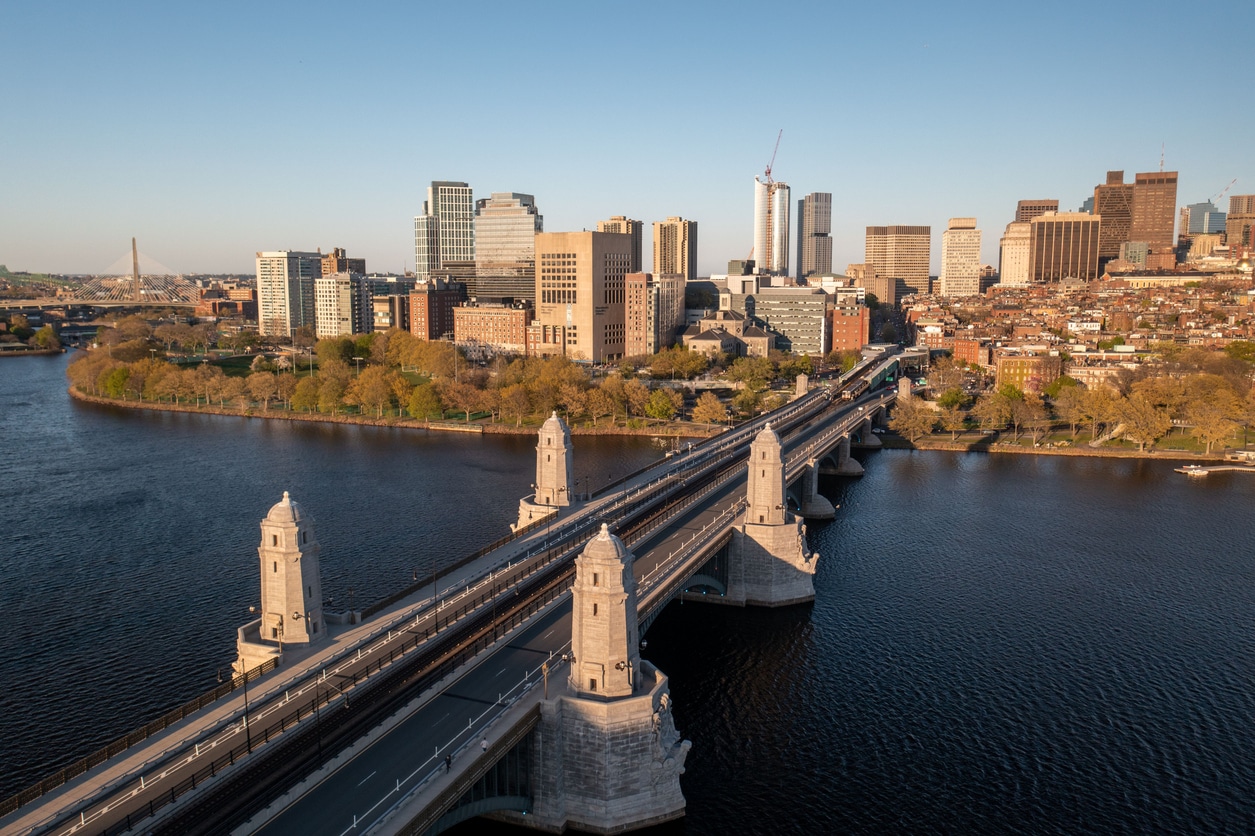
Boston, MA: Best for young professionals
Moving to Boston is an obvious choice for young professionals who want a seamless blend of lucrative career opportunities and a lively entertainment scene. Commuting to work is a breeze, thanks to this city’s transit score of 100, walk score of 99, and bike score of 86. Not to mention, each Boston neighborhood pulses with vibrant attractions — from the cool eateries and bars in Harvard Square, to the music venues and nightlife spots in Somerville.
Franconia, NH: Best for retirees
If you’re seeking a comfortable, postcard-worthy retirement, Franconia fits the bill. Nestled five miles north of the mountains and lakes of Franconia Notch State Park, Franconia offers an ideal small town living feel. This serene but active community offers spectacular outdoor recreation at a relaxed pace — from winter skiing to summer hiking. It’s also just 20 minutes from the local wineries and breweries in New Hampshire’s lush White Mountains.
Pros and Cons of Living in New England
The New England culture is undeniably one of the most unique aspects of this region — and an attractive selling point. But of course, with these benefits come a few potential drawbacks, too.
Here are the main pros and cons of living in New England:
Pros of living in New England
Cons of living in New England
-
Steep cost of living in some areas
-
Harsh winter climate
-
Reserved social interactions
-
Limited housing inventory
Embrace the Culture of New England With Colonial Van Lines
Moving to New England can be a culture shock if you’re from — well, just about anywhere else in the country — but there’s a reason so many folks choose to call it home. Now that you have a better idea of what to expect once you settle down here, it’s time to start planning your move. Colonial Van Lines can help make your relocation as seamless as possible.
Our full-service movers are expertly trained in all the logistics of cross-country, interstate, and long-distance moving. We can handle each step of the process for you — from carefully packing dishware, to efficiently disassembling furniture, to safely transporting all these items to your new home. Contact us for a free moving quote today!