
 By admin
November 21, 2025
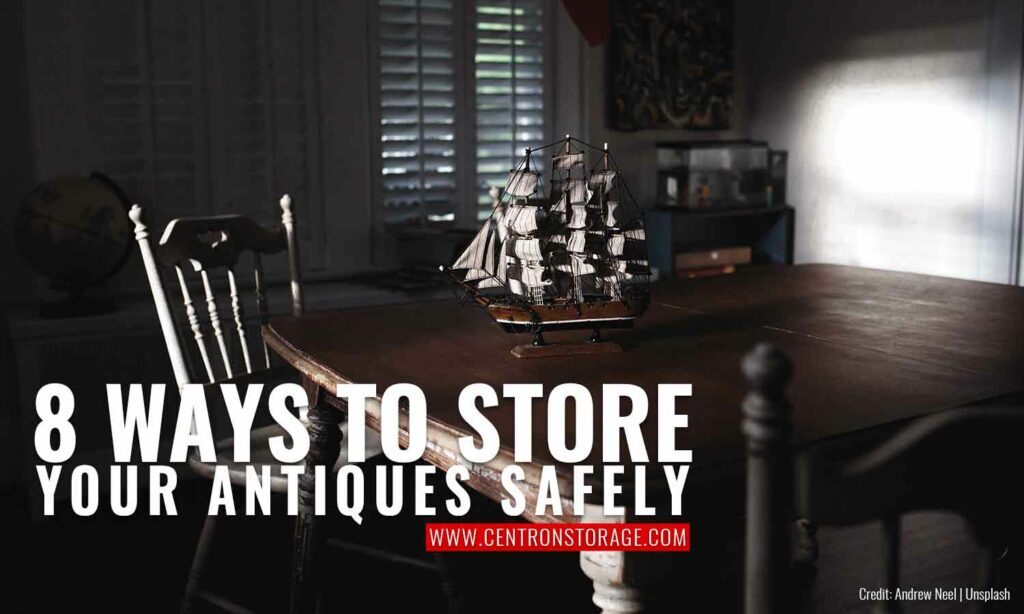
If you’ve got some family heirlooms or antique items that need keeping, make sure you store them properly so they remain safe and in good condition. Whether it’s for sentimental reasons or you’re hoping to sell them off one day for their value, keeping your antiques pristine matters. Like your other possessions, there’s a right way to store antiques. Check out these tips to help you protect your antiques while they’re in storage:
1. Clean first
Before you get around to storing anything, it’s a good idea to clean everything first. A good cleaning can ensure your antiques enter storage in tip-top condition and stay that way while they wait. Start by wiping your furniture off to remove dirt and dust.
For some extra protection, treat your antiques’ surfaces a few weeks before putting them in storage. For example, wood polish or wax on your wooden items can prevent drying and cracking, while oiling your metal frames can help prevent rust. Do your homework first to make sure you find the right product for the right material. One other benefit of cleaning is that it’s a chance to inspect your antiques. Keep an eye out for things like mold, mildew, or wood rot to ensure they go into storage in pristine condition.
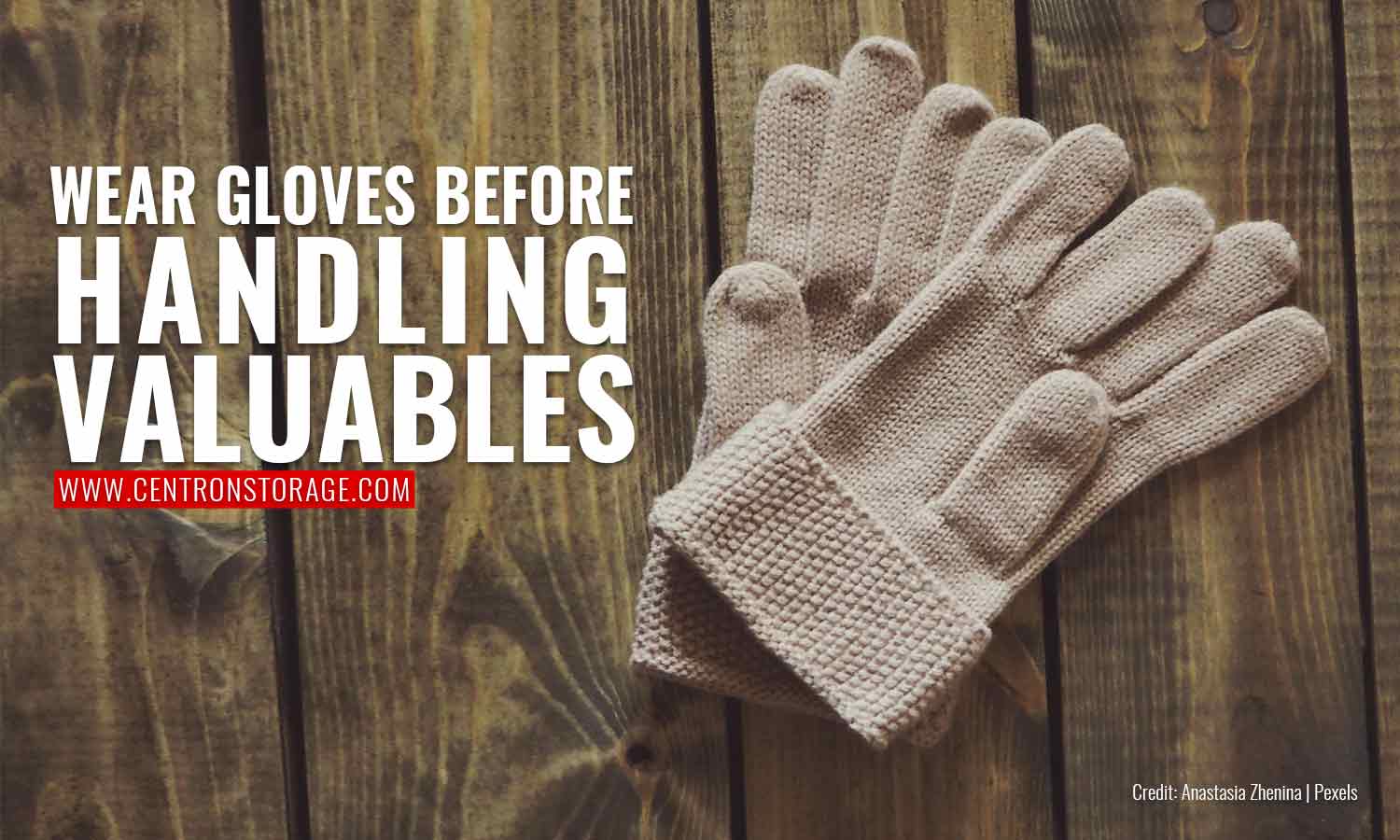
Wear gloves before handling valuables—your hands can transfer oil and dirt that reduce the value of your antiques.
2. Refrain from excessive handling
If you’ve visited museums frequently, you may have noticed the curators wearing gloves before they handle any of the artifacts. Do something similar when handling your antiques to preserve their state. Your hands and skin contain oil and dirt that can cause damage to your belongings, especially when they go too long between cleanings.
To avoid harming your antiques, minimize contact with your hands to the necessities. Make sure you handle everything with kid gloves to reduce the risk of damage. Taking extra steps to take proper care of your antiques can prevent the lustre from fading and avoid causing any scratches. Do this for your most valuable items (e.g. family heirlooms, antique furniture, and silverware) to preserve them for years to come.
3. Avoid stacking
One good rule of thumb is to avoid stacking your items on top of each other. At first glance, it might sound like a great way to maximize your storage space and give you more room to store more items. However, excessive stacking puts extra strain on whatever’s on the bottom of the pile, which can damage your antiques.
Instead, find smarter ways to keep your things to avoid damage while you’re not looking. Store mirrors and paintings vertically, not flat, to keep them from toppling. Use pallets or sturdy shelving to elevate antiques off the floor, especially if you’re using an attic, or a basement, where temperature and humidity can fluctuate. These areas are prone to dampness, which can lead to mildew or mold if you’re not careful. Also, keep your antiques away from direct sunlight, which can fade colors and weaken materials like wood, fabric, or paper.
4. Disassemble when possible
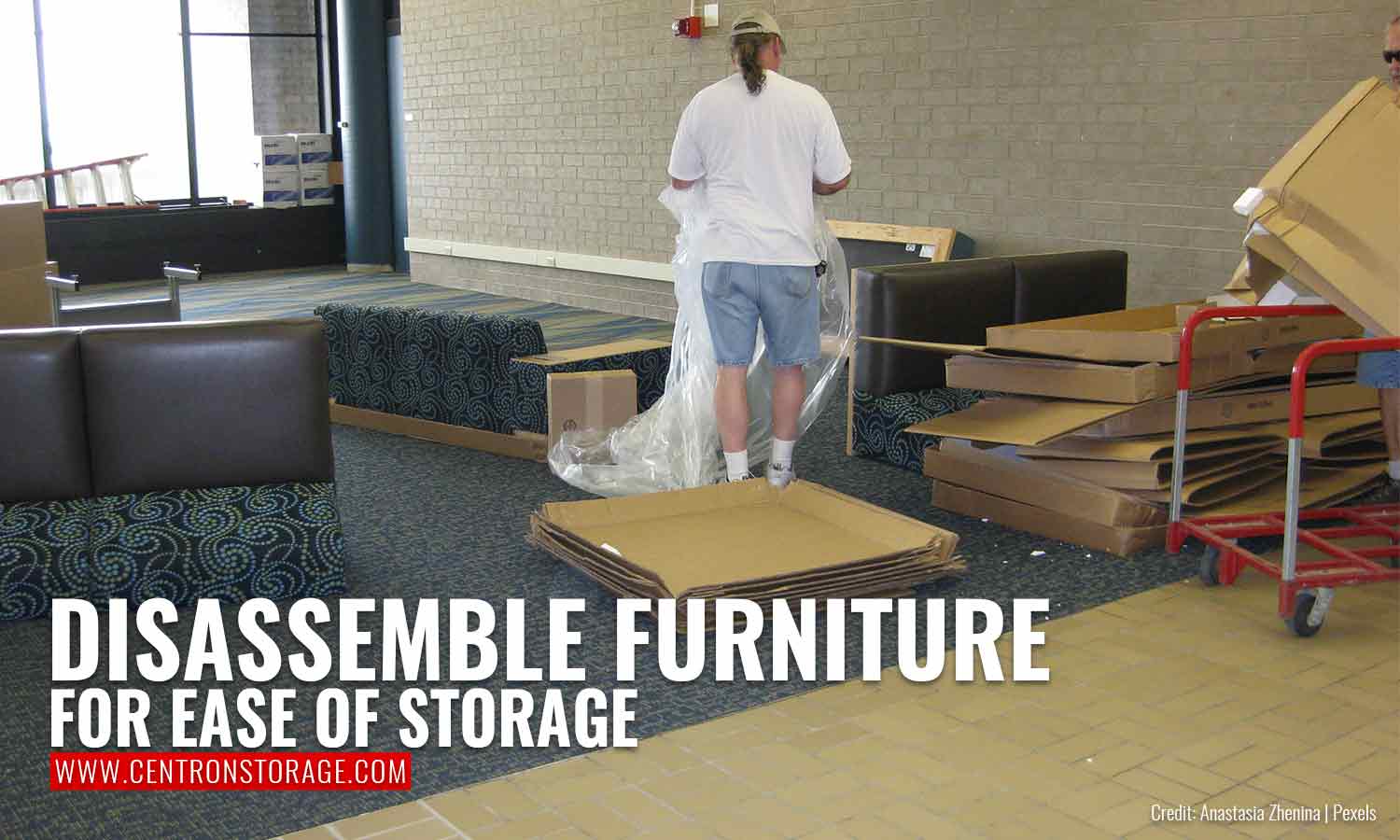
For extra safety, check if your furniture can be disassembled prior to storage. This measure can be especially effective for weak or heavy pieces of furniture that need to be handled carefully. Larger antique furniture can be heavy and take up extra space, so disassembly can make storage and transportation more convenient. Some examples of furniture you can take apart include table and chair legs, headboards, and shelves.
Being vintage, older furniture is often fragile. Disassembly can help take the strain off joints and allow the wood to last for generations. After disassembly, remember to list and label each item, keeping the signs and markings organized. Store screws, bolts, or small silver pieces in separate bags or small boxes to avoid losing them. Labelling each part helps make reassembly much easier when you’re ready to put your antiques back together.
5. Be careful when wrapping
Part of moving antiques safely is providing protective coverage against moisture, dust, and breakage. However, take some precautions when choosing materials to wrap them in.
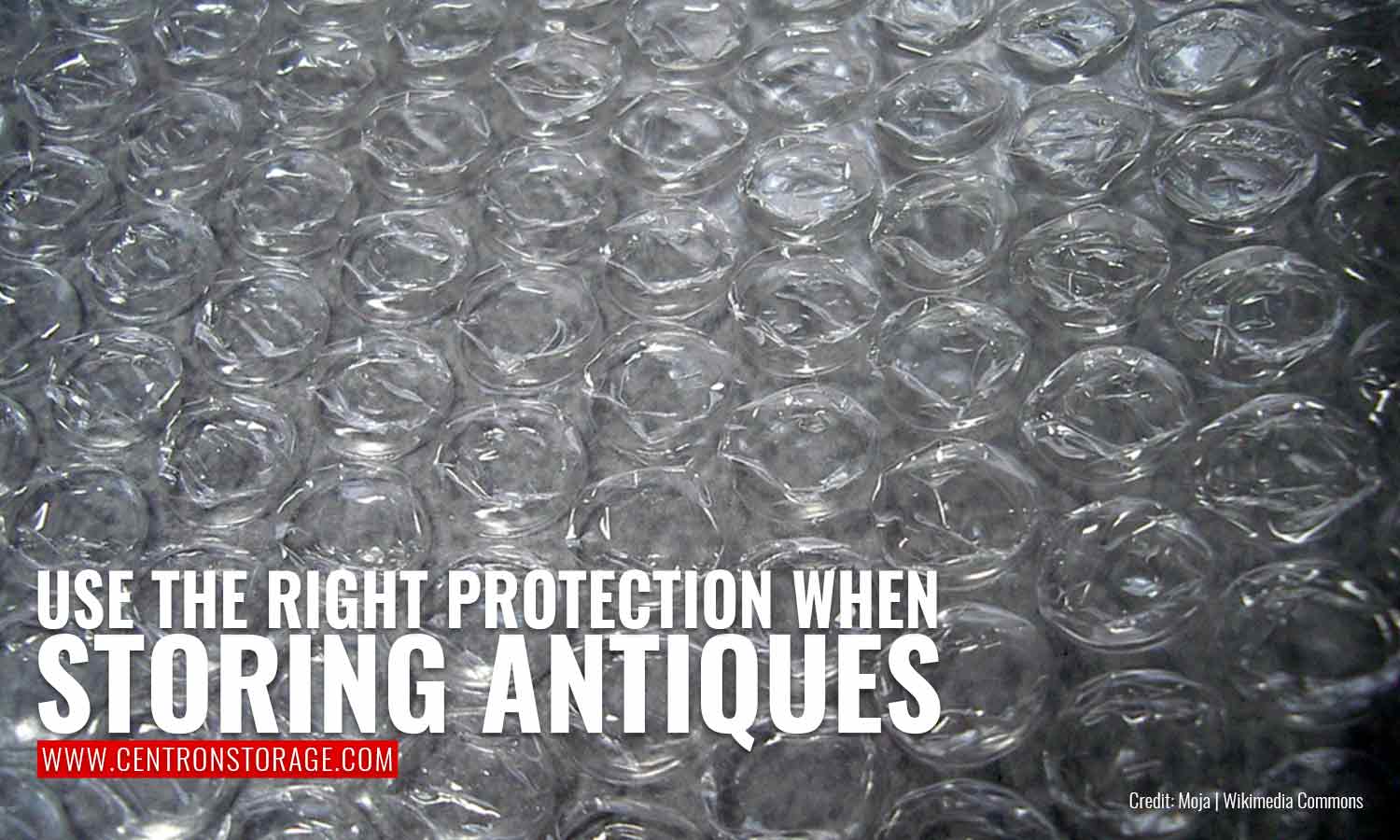
Bubble wrap may be useful for ceramics, mirrors, and lamps, or for blunt items like tables and chairs that might knock against other things. However, refrain from using plastic wrap for extended periods—plastic restricts airflow and can trap moisture, leading to mold or discoloration. Instead, use soft cloths, cotton sheets, or acid-free paper. These covers allow the furniture to breathe and prevent scratches without locking in moisture.
When wrapping delicate jewelry, photographs, or documents, avoid regular cardboard boxes that can absorb moisture. Instead, use archival-quality storage boxes that offer better protection against humidity and water damage.
6. Choose somewhere temperature-controlled
You can protect your antiques further by draping wooden furniture with drop cloths or padded blankets. Be cautious about your location—attics, basements, and garages often experience extreme temperatures and excess moisture. Instead, consider climate-controlled storage options or indoor storage units to preserve your antiques’ beauty and value.
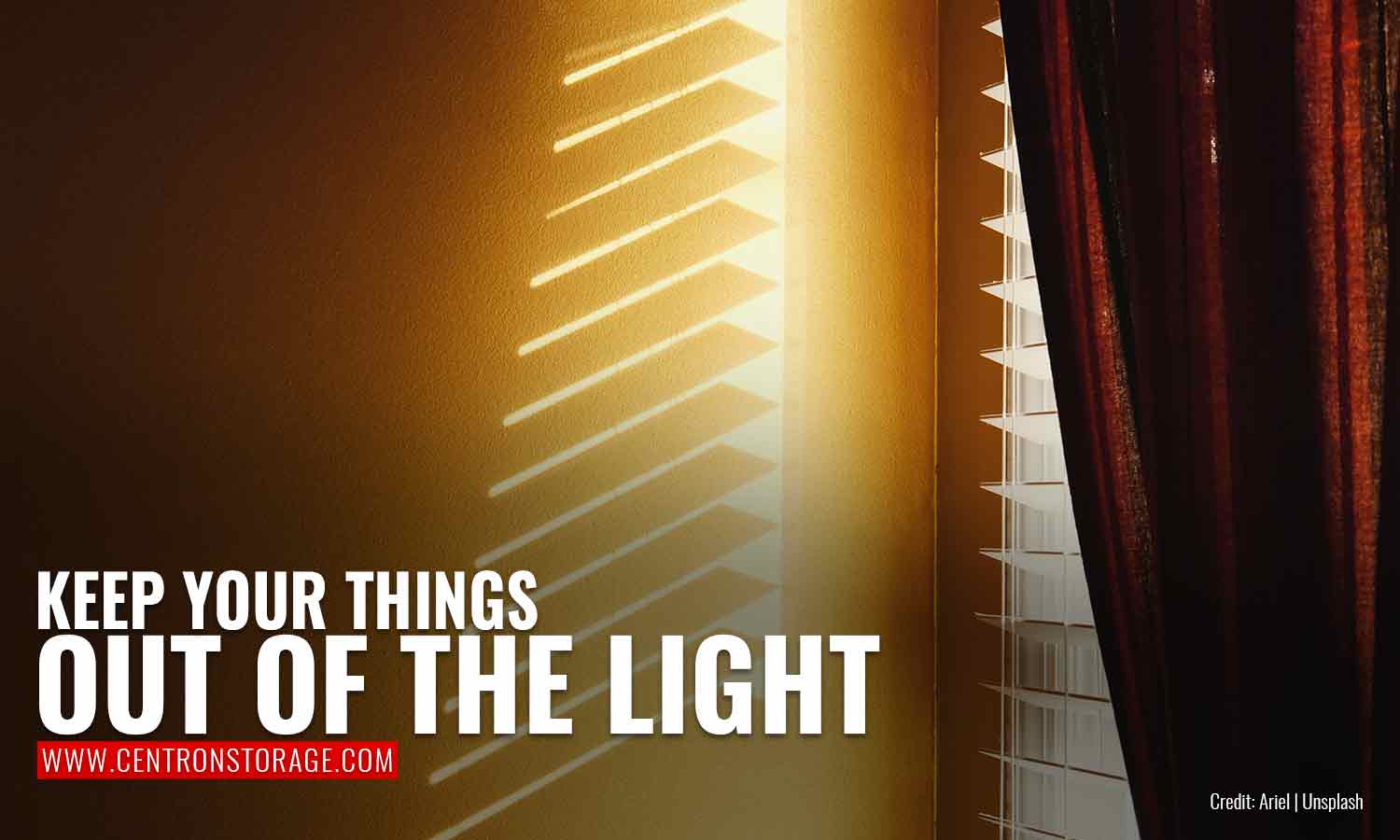
7. Avoid bright lights
Light and antiques really don’t mix. Excessive exposure to natural or artificial light can fade colors, warp wood, and dry out fabrics. For example, sunlight can cause discoloration in fabrics, while UV rays can weaken photos, photographs, and paper materials over time.
Keep antiques out of direct sunlight whenever possible. If they’re on display, keep the lighting dim and install UV-blocking film on windows or UV filters on fluorescent lights to minimize damage. For leather and silver items, apply a gentle conditioner or polish once or twice a year to maintain their beauty and sheen.
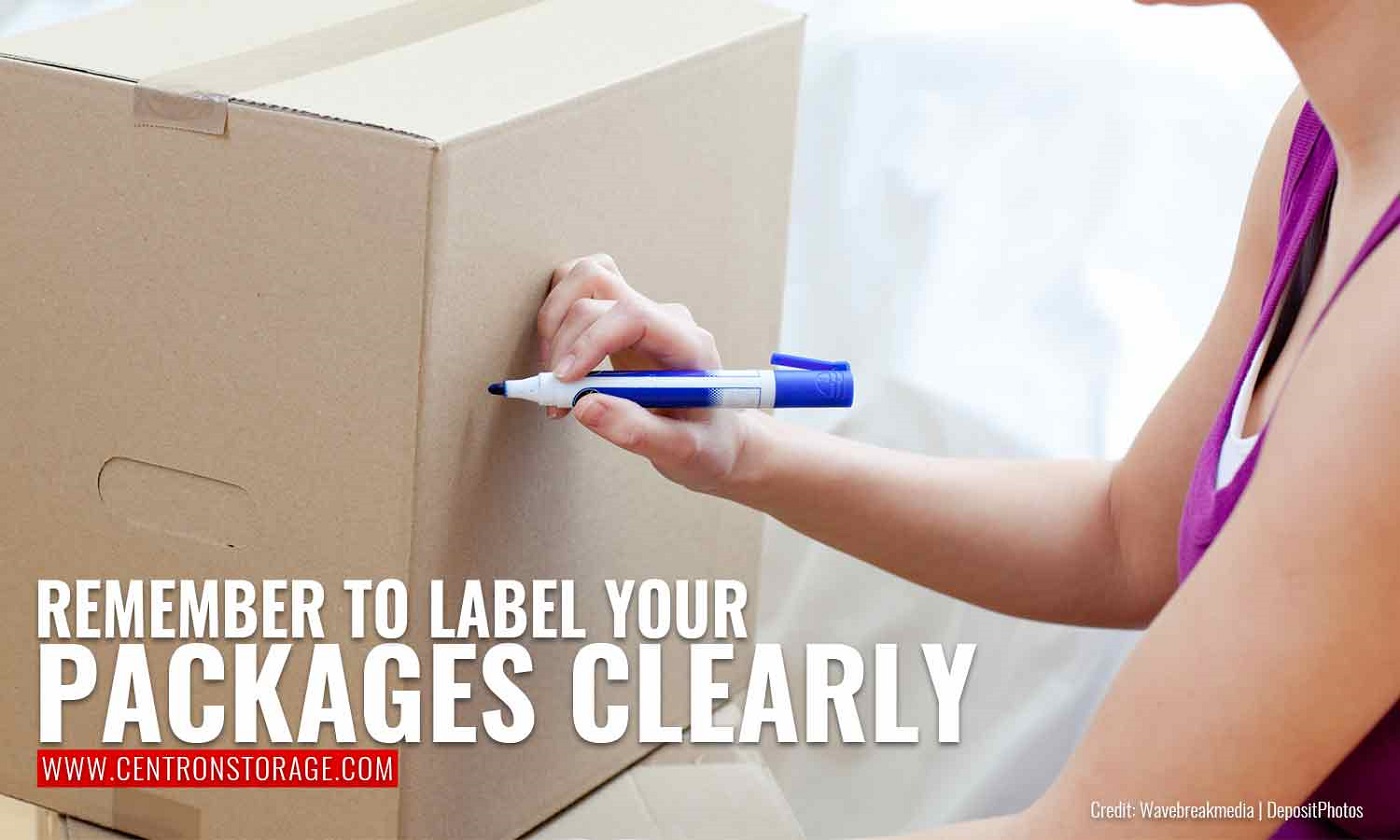
8. Pack smart
When packing your antiques, proper preparation is key to keeping them safe. Different materials have unique needs—wood furniture benefits from polishing before being wrapped in cloth and secured with tape, while ceramics or glass should be cushioned carefully to prevent breakage.
Use appropriately sized storage boxes or sturdy cardboard boxes for each item. Fill gaps with soft materials to avoid movement during transit. After packing, create an inventory list of everything you’ve stored, including photographs or documents, so you can track your collection easily.
Giving your antiques a little TLC before storing them dramatically improves their condition when you retrieve them later. Always handle these treasures with care—they carry both historical and sentimental value, preserving your family’s story for future generations.
If you need a secure place to keep your antiques, consider a professional storage facility like Centron Self Storage. We offer reliable storage options to safeguard your most valuable possessions—whether it’s vintage furniture, delicate jewelry, or irreplaceable photos. Call us now at (416) 739-000 or book online to reserve your storage unit.
When you need a safe place to store all your goods, pick Centron Self Storage. We offer clean, secure storage rental to stash all your goods. Call us now at (416) 739-000 or visit our contact page to reserve your storage unit.