
 By admin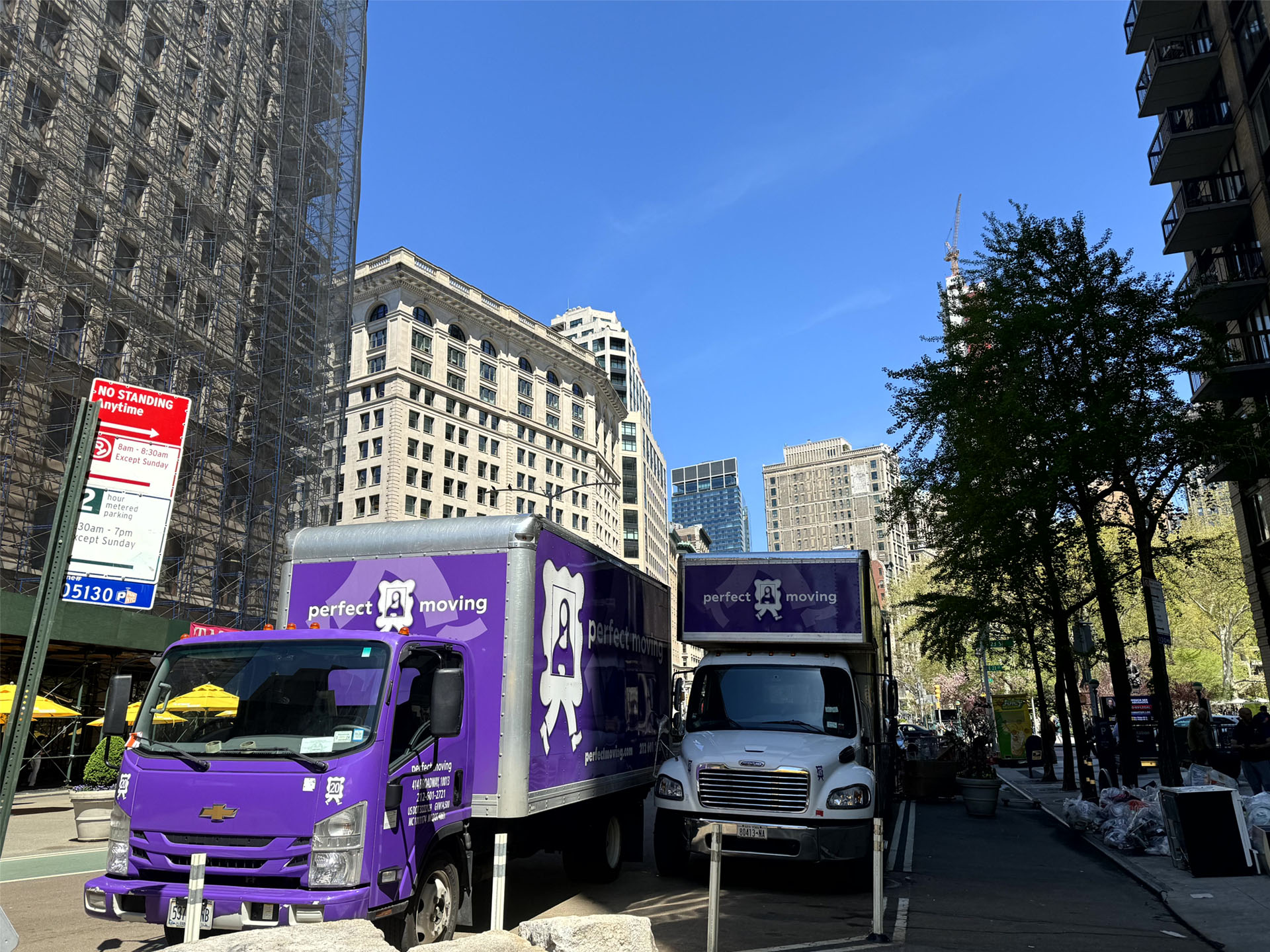
When preparing for a tradeshow, exhibitors focus on design, logistics, and presentation. Yet one crucial element often receives less attention—insurance. No matter how carefully your exhibit is packed, moved, and assembled, accidents can happen.
In a fast-paced city like New York, even the most experienced teams face challenges such as narrow streets, tight loading schedules, and unpredictable weather. These factors make professional protection essential. Working with insured tradeshow movers in NYC helps keep your valuable materials protected at every stage, from pickup to final setup.
This guide explains why insurance matters, what it covers, and how we use it to give exhibitors confidence throughout every event.
The Hidden Risks Behind Every Tradeshow Move
Tradeshows are complex operations with many moving parts. Exhibits travel through busy streets, are handled by multiple teams, and often pass through several checkpoints before reaching the show floor. Even the best plan can be disrupted by unforeseen circumstances.
The Most Common Risks Include
- In-transit accidents: Bumps, sudden stops, or potholes can cause materials to shift, leading to dents, scratches, or breakage.
- Human error: Mistakes can happen during loading, unloading, or setup, especially under time pressure.
- Environmental exposure: Rain, humidity, or extreme temperatures can harm sensitive electronics and printed materials.
- Theft or loss: With hundreds of vendors in shared spaces, crates or equipment can sometimes go missing.
- Venue mishaps: Nearby crews or attendees may accidentally damage displays or signage once your booth is set up.
Even a small issue can delay your presentation or force last-minute repairs. Insurance helps protect your investment against the unexpected.
Pro Tip: Choose movers who document each item’s condition before pickup. Photos and notes help support a claim if one is needed.
The Financial and Reputational Cost of Going Uninsured
Tradeshow participation requires major investment. Booths can cost thousands to build, and every element—from screens to signage—represents your brand. Without insurance, one incident can create serious losses and reputational damage.
Financial Impact
- Repair and replacement costs: Rebuilding or repairing damaged exhibits can be expensive and time-consuming.
- Shipping delays: If items must be replaced, your booth may not be ready in time for the show.
- Unexpected labor fees: Overtime charges can rise quickly when setup is delayed.
Reputational Impact
An incomplete or visibly damaged booth creates a poor impression. Even when the issue is outside your control, visitors may associate it with your professionalism. In competitive markets, first impressions matter.
Pro Tip: Treat insurance as part of exhibiting. It protects your budget and reinforces your commitment to reliability.
What Sets Insured Tradeshow Movers Apart
Not every moving company offers coverage that truly fits event logistics. Insured tradeshow movers carry protection designed to cover exhibits from warehouse to show floor.
What Comprehensive Coverage Includes
- General liability insurance: Covers accidental property damage or personal injury during moving or setup.
- Cargo insurance: Protects goods while in transit, including collision damage or theft.
- Workers’ compensation: Covers mover injuries and helps prevent liability exposure for exhibitors.
- Inland marine coverage: Protects movable property such as electronics, prototypes, and exhibits on and off vehicles.
- Warehouse and storage insurance: Extends coverage for materials stored before or between events.
These protections help keep your display covered throughout every stage of the process.
Pro Tip: Request a Certificate of Insurance. It should list your company and the venue as additional insured parties when required.
Why NYC Venues Require Proof of Insurance
Most major New York venues require valid proof of insurance before vendors or movers can access loading docks and service areas.
Why This Policy Exists
- Safety and liability control: Venues protect themselves against accidents and damages.
- Standardization: Insurance helps ensure movers meet professional requirements.
- Risk management: If an incident occurs, responsibility and financial coverage are clearly defined.
Without an approved Certificate of Insurance, your mover may be denied access, causing delays and lost setup time.
Pro Tip: Send us the venue’s COI requirements early so we can prepare accurate documentation without last-minute issues.
Understanding Coverage: What’s Protected and What Isn’t
Knowing what is covered helps prevent misunderstandings and ensures you select the right protection level.
Typically Covered
- Accidental damage during loading, transit, or unloading.
- Theft, vandalism, or loss while under mover supervision.
- Water or fire damage during storage.
- Damage caused by handling errors or minor collisions.
Typically Not Covered
- Wear and tear from previous events.
- Improper packing completed by the exhibitor.
- Unreported issues discovered after the event.
- Natural disasters unless specifically included in the policy.
Pro Tip: For high-value exhibits, ask about all-risk options for broader protection against most causes of loss not specifically excluded.
How We Minimize Risk Before It Becomes a Claim
Insurance matters, but prevention comes first. We use professional packing methods, secure equipment, and trained handling to reduce risk at every step.
Prevention Practices
- Custom crating: Reinforced crates built to your exhibit’s dimensions.
- Protective padding: Cushioning to reduce vibration and impact.
- Climate control: Stable temperatures for electronics and graphics.
- Labeling and tracking: Inventory systems that keep every crate identifiable.
- Supervised setup: Experienced crews on-site during installation and staging.
Pro Tip: For glass and LED panels, request anti-vibration packing and double-layer foam inserts to reduce damage risk.
The Role of Storage Insurance Between Events
Many exhibitors store booth materials between shows instead of shipping them back and forth. Storage adds risk, especially for high-value or delicate components.
Why Storage Insurance Matters
Without coverage, stored materials can be exposed to theft, environmental damage, or mishandling. When exhibits are in our care, we maintain continuous protection for short-term and long-term storage.
What to Look For in Storage Coverage
- Climate-controlled environments to prevent moisture and heat damage.
- Twenty-four-seven surveillance and restricted access.
- Fire suppression systems.
- Regular inspections for leaks or equipment issues.
- Insurance coverage that remains active while stored.
Pro Tip: If you exhibit multiple times per year, insured long-term storage can be more cost-effective than repeated shipping and repacking.
What to Do If Damage Occurs
Even with careful handling, issues can happen. Taking the right steps immediately helps resolve claims quickly.
Steps to Take Immediately
- Inspect on arrival: Review your shipment as soon as it reaches the venue.
- Photograph everything: Document issues from multiple angles before unpacking further.
- Notify us immediately: Fast reporting helps the claim process start right away.
- Provide documentation: Share photos, invoices, and packing lists.
- Retain damaged items: Insurers may require inspection before approval.
Pro Tip: Store documentation in cloud storage so it is accessible on-site and easy to share.
A Real-World Example of Insurance in Action
A large technology brand shipped an interactive display to a Manhattan tradeshow. During transport, one crate shifted after abrupt stops in heavy traffic. Despite careful packing, a monitor cracked.
Because the exhibitor worked with insured movers, the incident was documented immediately and the claim was processed quickly. Replacement costs were covered, repairs happened overnight, and the booth opened without disruption.
Without insurance, the replacement could have cost thousands and jeopardized opening day.
Why Working with Insured Movers Shows Professionalism
Insurance reflects a mover’s commitment to responsibility and accountability. We view ourselves as strategic partners who protect your event performance, not just service providers.
Signs of a Reputable Insured Mover
- Provides COI documentation proactively.
- Explains policy details clearly and transparently.
- Uses trained in-house crews instead of relying on unknown contractors.
- Maintains protection from pickup through delivery and storage.
- Communicates consistently with real-time updates and progress checks.
Choosing an insured mover means choosing a team that treats precision and accountability as non-negotiable.
Pro Tip: If a mover hesitates to share insurance documentation, that is a red flag. Transparency is essential in tradeshow logistics.
Why We Lead NYC’s Insured Tradeshow Services
At Perfect Moving & Storage, we know your exhibit is more than equipment—it is your brand’s identity brought to life. We combine experience, careful handling, and comprehensive insurance protection to keep every move safe and reliable.
Our Advantages
- Comprehensive liability, cargo, and storage protection.
- Venue-ready Certificates of Insurance tailored to NYC requirements.
- Air-ride, climate-controlled trucks for delicate materials.
- Trained teams familiar with major venues and union rules.
- Fast claim support with clear documentation.
- Secure storage options for short- and long-term needs.
Whether you are managing a nationwide tour or a single New York event, we help ensure your materials stay protected and your booth stays ready to perform.
Protect Your Exhibit and Preserve Your Brand
Every tradeshow display represents hard work, creativity, and investment. Insurance helps ensure that effort is not undermined by unpredictable events. Partnering with an insured mover protects your assets, your reputation, and your peace of mind.
Trust Perfect Moving & Storage to protect your exhibits from start to finish. Request your customized insured logistics plan today and prepare for every show with confidence and control.